

My intention is to provide maximum information to help others and to share my hard-earned knowledge about surviving Stage 3 Hodgkin Lymphoma.
Introduction
Hodgkin Lymphoma is a cancer of the lymphatic system that can be notoriously difficult to diagnose in its early stages. Many patients, like myself, experience a frustration-filled “watch and wait” period where serious lymphoma symptoms are dismissed as minor infections.
This article details my entire journey—from the first unnoticed lymphoma symptom to the final chemotherapy session of an aggressive Stage 3 diagnosis. My goal is to bridge the gap between patient experience and medical reality, helping you recognize the subtle warning signs before it is too late.
The First Lymphoma Symptom: A Persistent Neck Lump
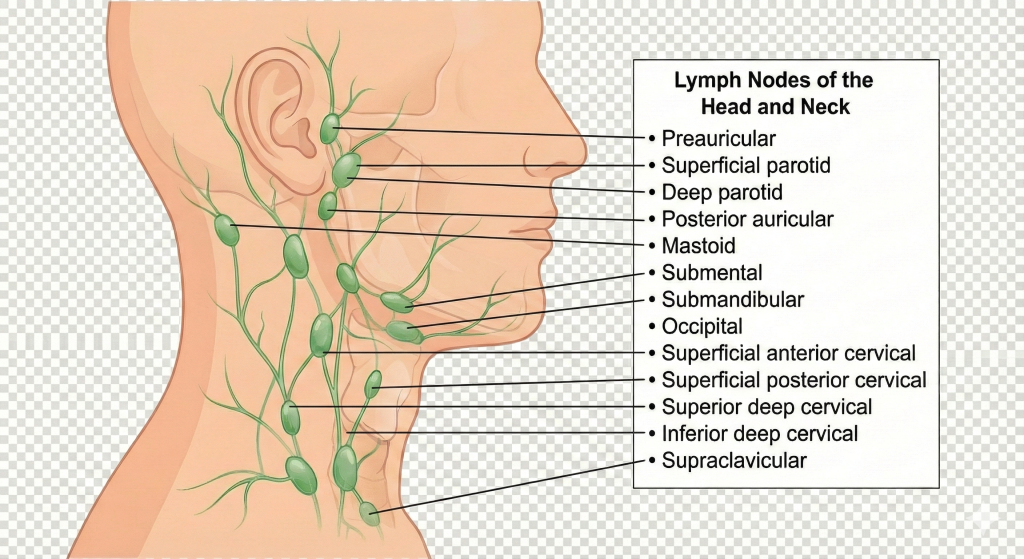
In January 2017, I noticed a small bump on my neck. It became more visible when I moved my head from side to side. I ignored it, thinking it would go away and it did after a few days. However, after two or three weeks, it returned. I discussed it with people in my circle who suggested a simple massage. I tried that, and while the bump disappeared temporarily, it came back slightly larger.
I consulted my family physician who ordered a blood test. After reviewing the results, she prescribed medication and assured me there was nothing to worry about. For further reassurance, she also referred me to an ENT specialist (Ear, Nose, and Throat doctor).
I visited the specialist, who was also unsure of the cause but suggested an optional biopsy if I wanted absolute certainty. At the time, I downplayed the risk, thinking, ‘It is just a bump, why should I be so concerned?’. I decided to ignore the suggestion and wait. The medication initially made the lump go away, but 4-5 weeks later, it returned with more strength, accompanied by 2-3 new bumps around it. I made the mistake of ignoring these swollen lymph nodes—a classic lymphoma symptom—for another 2-3 weeks.
The Search for Answers (Misdiagnosis)
I consulted another doctor to get a second opinion. He said it was “nothing” and that I could simply have it removed. He took an X-ray and confirmed there was no serious issue, recommending the removal of the swollen lymph node. Fortunately, I didn’t proceed with the lymph node removal as I was not satisfied with the advice to simply have it taken out.
During these months, I also pursued self-medication, spending considerable money on Greek, Chinese, and Ayurvedic remedies for relief. They all provided temporary comfort, but underneath, something serious was developing.
Escalation: Systemic Lymphoma Symptoms
I broke out in hives all over my chest and shoulders. I saw my family physician who gave me medicine for the skin reaction. I began feeling increasingly lethargic; day by day, going to work and commuting left me exhausted. The stress mounted as the lumps were restricting my neck movement.
During a vacation in the US, I fainted twice. My relative urged me to see a doctor there. After some tests, U.S. doctors observed swelling in my lymph nodes and inside my chest. They referred me for further tests, but my visit was short, and I had to return to Canada. In those days, I also observed a painless swelling under my left armpit that was slowly growing, along with my left-side neck lymph nodes.
The Turning Point
Back in Canada, while shopping at Home Depot, I nearly fainted again, losing balance for 2-3 seconds. I managed to steady myself and went home, still attributing the episode to general weakness or poor sleep.
Looking back, I realized the terrifying truth behind my unexplained fainting: growing lymph nodes in my chest were pressing against my windpipe and blood vessels, literally cutting off my oxygen and circulation.
Two weeks later, the hives returned. By this point, the left side of my face and neck appeared visibly abnormal due to the swollen lymph nodes. This time, I went straight to the doctor and explained the full timeline of lymphoma symptoms over the past 8-9 months. She reviewed my records and immediately referred me to an ENT specialist again. This time the specialist strongly recommended removing a lymph node for a biopsy.
The Diagnosis
A few days later, the biopsy report confirmed the diagnosis: I had Stage 3 Hodgkin Lymphoma. I was shocked. I replayed the past months in my mind, asking myself why I hadn’t followed up more diligently and why I took the early warning signs so lightly. My family doctor was also surprised, as the cancer had not shown up in the initial blood tests. Now, I was facing a new challenge.
Things I Learned from My Diagnosis
- Follow Medical Guidance: Do not neglect a doctor’s findings. If a medical professional suggests a follow-up or a specific test, follow their guidance properly and immediately.
- Listen to Your Body: If something unusual, like a lump or rash, continuously appears on your body or skin, keep visiting the doctor. Persistence is key to early detection.
- Time Spent Waiting is Time Saved Living: Never feel that sitting in a doctor’s office is a waste of time; a few hours of patience today can save you years of healthy life tomorrow.
- Avoid Self-Medication: Never assume a symptom is harmless. Self-medication might provide temporary relief, but it often masks the real issue, potentially leading to fatal or unmanageable long-term damage.
Treatment Protocol: Chemotherapy & Side Effects
My Oncologist confirmed the diagnosis: it was an aggressive Stage 3 cancer. To check for metastasis, she ordered a bone marrow biopsy, a procedure that involved drilling into my hip bone to extract marrow for testing. Fortunately, the results showed no cancer cells in the bone marrow, meaning the disease was contained enough to treat effectively.
I was placed on the standard ABVD chemotherapy regimen. My treatment plan consisted of biweekly chemo sessions, totaling 12 rounds. These were grueling days. I received steroids to manage the side effects, but the “crash” was severe. When the steroid effects wore off after about two days, I became extremely antsy and cranky. I felt as if my arms and stomach were about to explode from pain.
The emotional toll was just as heavy. I experienced intense mood swings, often getting angry with my kids and family for no reason—outbursts I regretted every time. Describing the physical sensation is difficult, but it literally felt like someone had poured gunpowder into my bloodstream.
Managing Physical Trauma
I was completely unprepared for some of the chemotherapy side effects. These drugs are potent chemicals that felt “hot” in nature, intensely affecting my system by drying out my mucous membranes, from my stomach to my throat. My entire body felt inflamed and parched.
This extreme dehydration extended to my digestive system, causing severe constipation and agonizing pain during bowel movements. Typically, two to three days after a chemo session, the bathroom struggle would begin. The stool simply would not pass due to the intense dryness. I experienced excruciating pain, pushing and crying out for 40-50 minutes with almost no result, eventually passing only a small, hardened piece about 20mm in size. The physical trauma was so intense that I would return to bed with uncontrollably shaky legs.
The Solution: My family doctor suggested a suppository, which provided only temporary relief. I tried high-fiber foods and supplements, but nothing worked. I went back to my oncologist, who seemed unsure or hesitant to recommend any over-the-counter supplements. Finally, I explained the entire situation to my oncology nurse. She listened to me carefully and recommended a few things, including RestoraLAX. After trying numerous fiber-oriented solutions, RestoraLAX, combined with increased water intake, is exactly what worked for me.
Visible Changes: Then came the visible signs of treatment. My hair fell out from my head, eyebrows, and eyelashes, leaving me “as smooth as an eggshell”. The side effects even extended to my nails; my fingernails and toenails appeared burnt and turned black. My family was deeply concerned. They felt my pain, seeing a person who always smiled and made people laugh now enduring so much. But I had to deal with it.
Critical Lessons from My Treatment Phase
- Maximize the “Steroid Window”: When on steroids with chemo, you have a limited window of relative normalcy before the effects diminish. I learned to get all necessary work done during this short burst of energy.
- Manage Mood Swings & Isolation: As the steroid effects wear off, I tried to stay in my room and avoid social interactions. The chemotherapy made me cranky, grumpy, and moody, and I didn’t want to negatively impact my relationships.
- Engage with Positive Reality: Actively try to stay happy. I watched funny skits, motivational podcasts, and dramas to keep my mind engaged with positivity rather than focusing on the pain. Strictly avoid negative news and depressing events, as added stress can worsen the disease and accelerate health complications.
- The Power of an Advocate: My immune system and energy levels were critically low. Simple activities, like a brief conversation with a doctor or nurse, would completely drain me and often lead to immediate, overwhelming exhaustion. To manage this, I always had a trusted family member with me. They handled all paperwork, asked the important questions, and advocated for me when I couldn’t.
- Combat Psychological Withdrawal: Chemotherapy patients often become withdrawn and face psychological challenges due to drastic physical and emotional changes. I found that just before the next scheduled chemo session, when the immediate side effects had subsided, I was less moody and frustrated. That was the time I would reach out to close family and friends. In today’s digital world, talking to real people is vital. This human connection helped keep me motivated; earlier in the cycles, I felt I was losing hope and confidence, which even led to stress-induced stuttering episodes.
Managing Severe Side Effects: Mouth Sores & Diet
- Mucositis and “Chemo Mouth”: The side effects caused a severe burning sensation from my mouth and throat down to my stomach. My tongue turned black, and my taste buds were completely scorched; I lost all sense of taste. The only sensation came from spices, which I could feel as a distinct, painful heat traveling down my burnt esophagus when I swallowed.
- The Ice Cream Dilemma: This pain made me extremely picky with food. I craved and ate sweet, cold foods like ice cream, as they provided the only form of immediate, soothing relief to the inflammation and painful sores lining my throat. However, be warned: while necessary for temporary comfort, this high sugar intake slowly led to other health concerns later on.
Expert Takeaways: What You Need to Know
If you are reading this because you have a suspicious lymphoma symptom, or if you or a loved one are currently navigating cancer treatment, here are the critical lessons from my Stage 3 survival journey:
- Advocate for Biopsies: Blood tests are not enough. If a lump persists, demand a biopsy or fine-needle aspiration. My cancer was invisible in blood work, leading to a delayed diagnosis.
- Avoid Self-Medication: Alternative remedies can mask symptoms, leading to a later-stage diagnosis. They often treat the temporary pain, not the root cause of the disease.
- Manage the “Steroid Crash”: Anticipate the drop in energy and mood. Warn your family that your irritability is a drug side effect, not a reflection of your true feelings toward them.
- Hydration & Laxatives: Do not wait for constipation to become severe. Start a doctor-approved regimen like RestoraLAX early in your chemo cycle to prevent unnecessary pain.
- Find Your Support: The fatigue is overwhelming. You need a designated patient advocate to handle paperwork and talk to doctors when you are too drained to speak.
- Conquering the Darkest Thoughts: The relentless pain of the final chemo sessions pushed me to the brink of suicidal thoughts. This is the ultimate test of your mental resilience; remind yourself that you have fought too hard and survived too much to give up when the finish line is finally in sight .
Disclaimer: I am a Cancer Survivor, not a Doctor This article shares my personal experience navigating Stage 3 Hodgkin Lymphoma and chemotherapy. It is intended to raise awareness and offer support, not to serve as a substitute for professional medical advice. Every patient is different. Always consult your oncologist or qualified healthcare provider regarding your specific lymphoma symptoms, diagnosis, or treatment plan.

0 comments